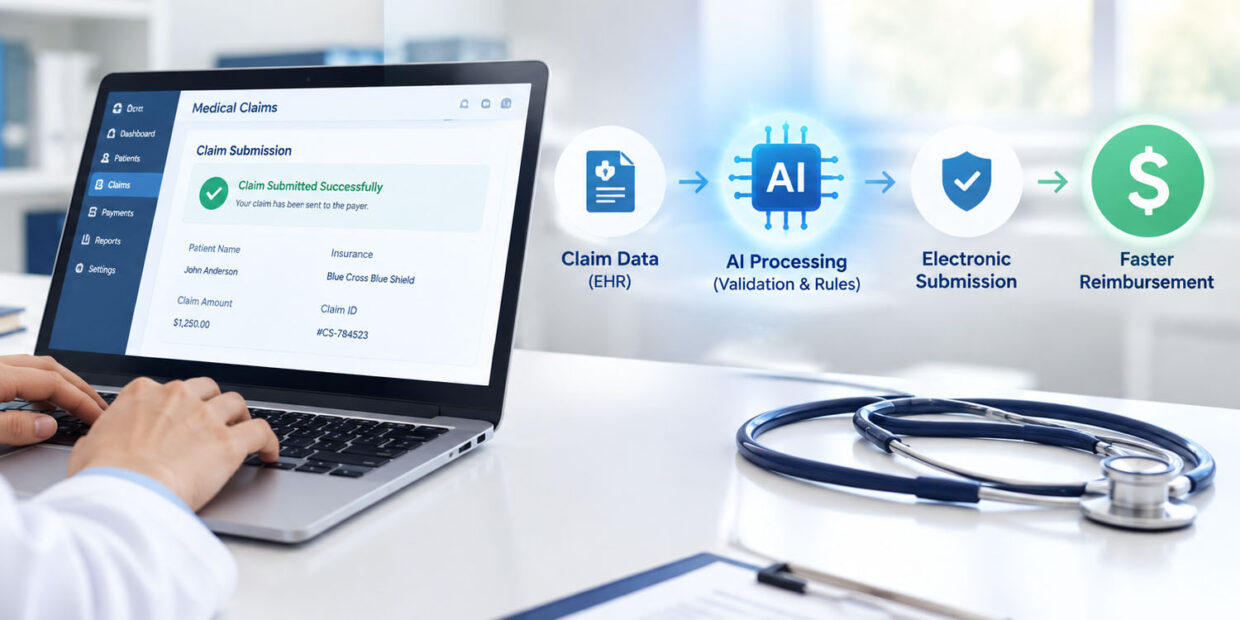
DocVilla’s AI claim scrubbing checks each claim against payer, coding-consistency, and formatting rules before it leaves the EHR, so avoidable rejections are fixed in the office, not from a remittance. … Read More
Medical Billing

Patient AI Summary in DocVilla: AI-Generated Chart Summaries Before Every Visit
Patient AI Summary generates a concise, structured recap of a patient’s recent encounters inside DocVilla so providers start each visit oriented — a review aid, available as an add-on. … Read More
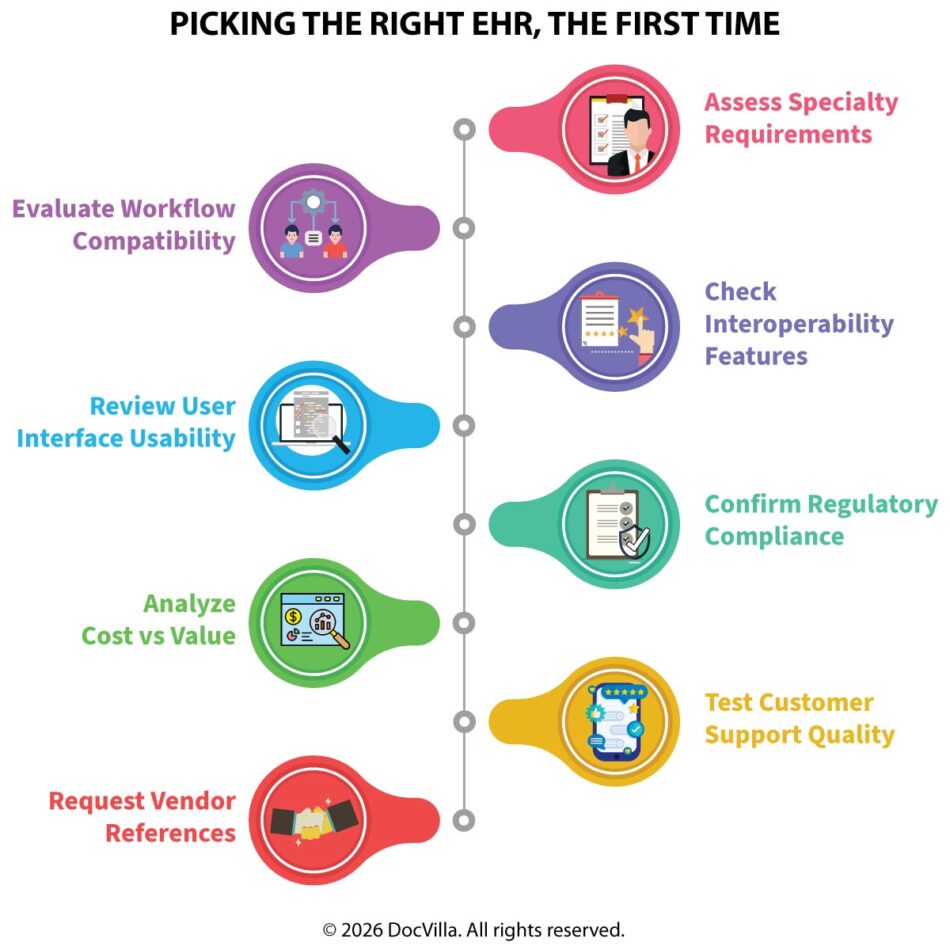
Picking the Right EHR the First Time: A Complete Guide for Medical Practices
Choosing an Electronic Health Record (EHR) system is one of the most important technology decisions a medical practice will make. The EHR platform becomes the digital foundation for nearly every aspect of clinical and administrative operations, including patient documentation, appointment scheduling, billing, prescription management, patient communication, and regulatory reporting. A well-chosen EHR system can streamline workflows, improve patient care, and support practice growth for many years. However, selecting the wrong EHR system can lead to operational inefficiencies, increased administrative workload, staff frustration, and costly system migrations in the future. Many healthcare organizations discover that switching EHR systems after implementation is far more complicated than expected because of data migration challenges, staff retraining, workflow disruptions, and financial costs. For this reason, medical practices must take a strategic approach when selecting an EHR platform. The goal should be to choose a system that aligns with the practice’s clinical workflows, supports long-term scalability, and integrates seamlessly with practice management tools. By carefully evaluating system features, usability, integration capabilities, security standards, and vendor support, medical practices can avoid common pitfalls and select the right EHR solution from the beginning. Making the right choice the first time allows healthcare providers to focus on delivering high-quality patient care rather than struggling with inefficient technology. … Read More
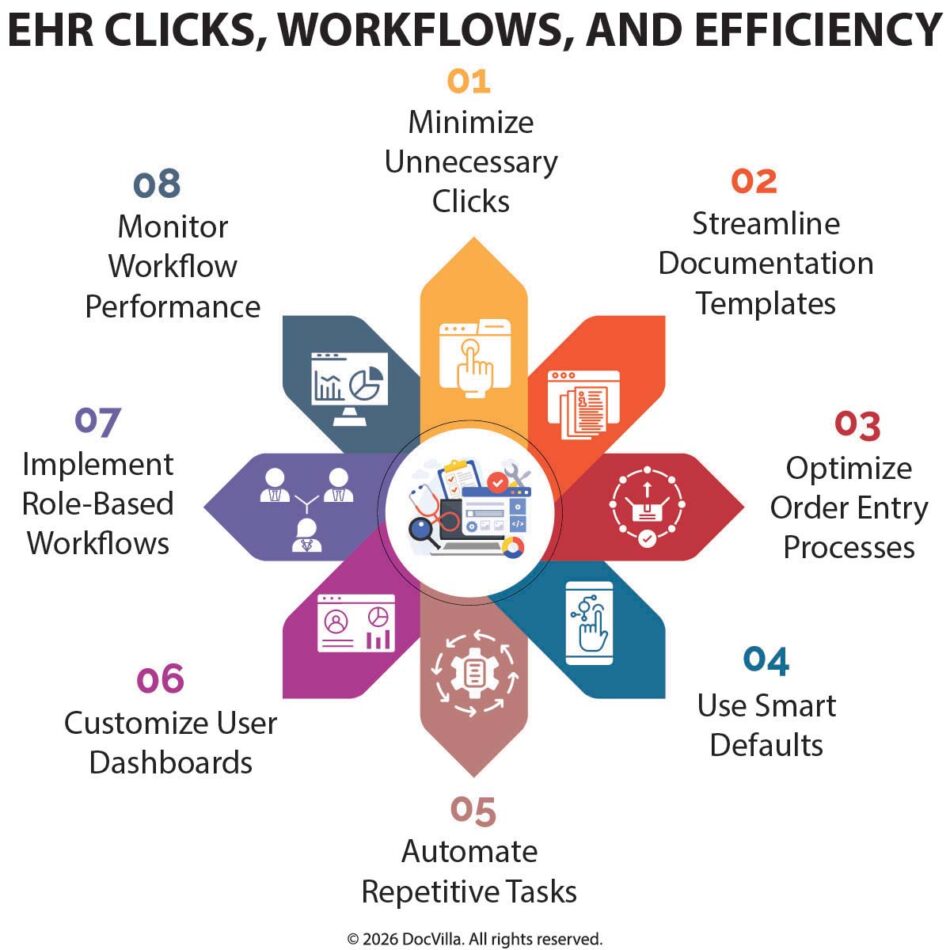
EHR Clicks, Workflows, and Efficiency: Optimizing Digital Healthcare for Modern Medical Practices
Electronic Health Records (EHR) have become the backbone of modern healthcare delivery. Medical practices across the world rely on digital systems to document patient encounters, manage clinical data, coordinate care, process billing, and communicate with patients. While EHR systems have improved accessibility of patient information and enabled more connected healthcare ecosystems, many physicians and healthcare staff still struggle with inefficient workflows and excessive documentation requirements. One of the most common complaints about EHR systems is the number of “clicks” required to complete routine tasks. Physicians often feel that they spend more time interacting with computer screens than with patients. When poorly designed systems require excessive navigation, redundant data entry, or complex interfaces, clinical productivity declines and provider burnout increases. However, the issue is not necessarily the concept of EHR systems themselves but rather how those systems are designed and implemented within practice workflows. When optimized correctly, EHR systems can significantly improve efficiency, reduce administrative burdens, and enhance patient care. Modern EHR, EMR, and practice management platforms are increasingly designed with usability and workflow optimization in mind. By reducing unnecessary clicks, streamlining navigation, and automating repetitive tasks, healthcare technology can help physicians focus more on patient care and less on administrative processes. Understanding how EHR clicks, workflows, and efficiency are interconnected allows medical practices to evaluate their current systems and identify opportunities for improvement. … Read More
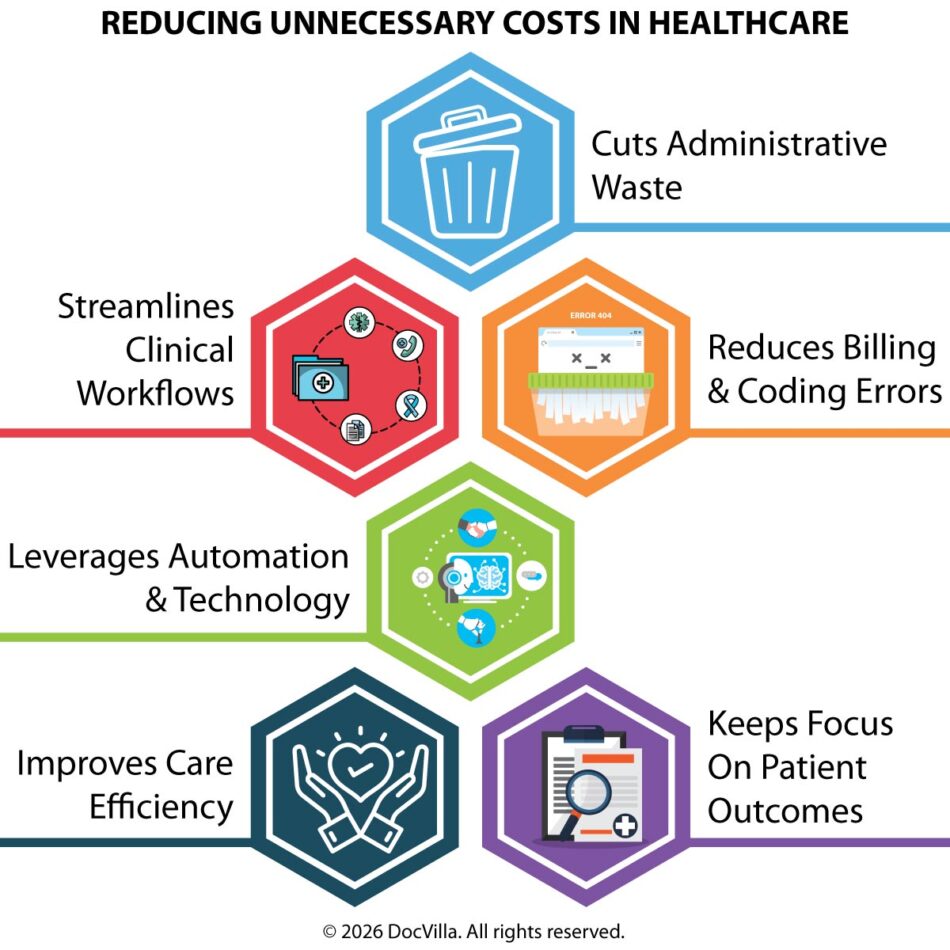
Reducing Unnecessary Costs in Healthcare: Focus on Patients, Not the Bottom Line
Healthcare organizations today face increasing pressure to balance high-quality patient care with financial sustainability. Medical practices must manage staffing costs, administrative workloads, regulatory compliance, and technology investments while still delivering excellent clinical outcomes. Many physicians feel caught between the desire to provide the best possible care and the reality of rising operational expenses. However, reducing unnecessary costs in healthcare does not mean compromising patient care. In fact, many cost-saving strategies actually improve patient experiences and outcomes. By eliminating inefficiencies, modernizing workflows, and adopting integrated healthcare technology, medical practices can reduce administrative overhead while allowing physicians and staff to focus more attention on patients. The most effective approach to cost reduction is not simply cutting expenses but improving operational efficiency through smarter systems and processes. Electronic Health Records (EHR), Electronic Medical Records (EMR), and integrated practice management software play a critical role in achieving this balance. These technologies streamline workflows, automate administrative tasks, improve communication, and support better financial management. When practices operate efficiently, physicians can spend less time dealing with administrative burdens and more time delivering patient-centered care. Ultimately, reducing unnecessary costs strengthens both the financial health of the practice and the quality of care patients receive. … Read More
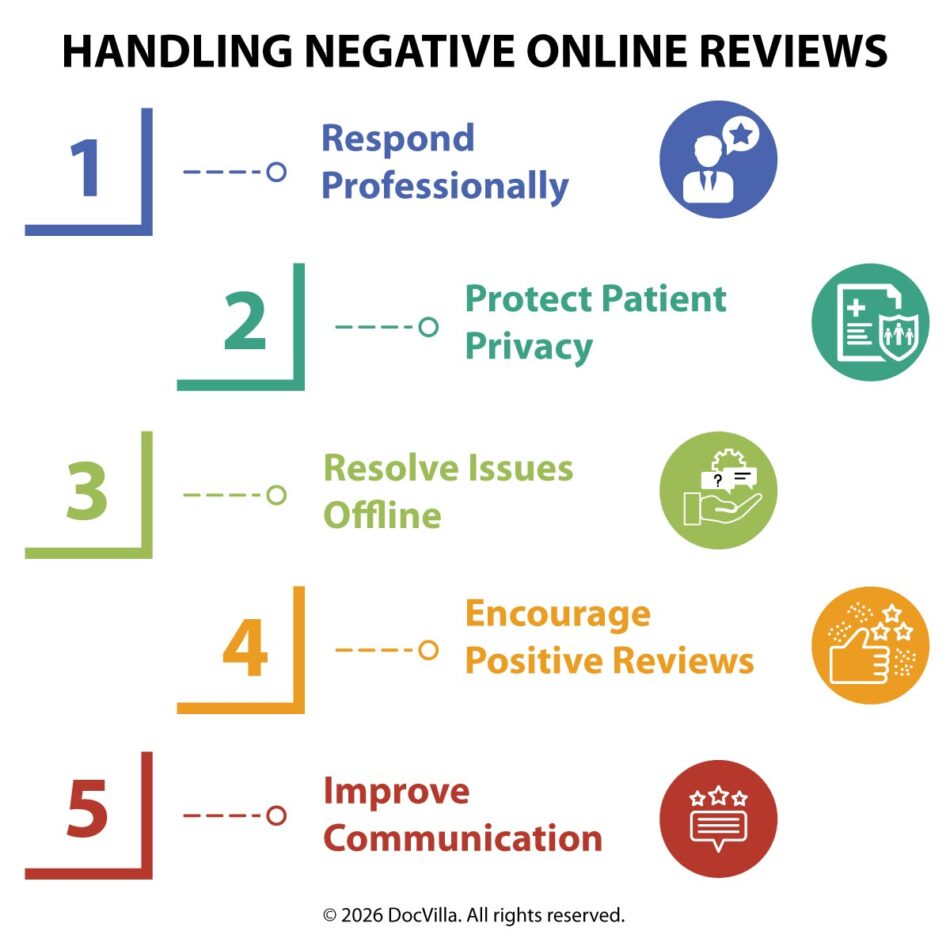
How Physicians Can Deal With and Avoid Negative Online Reviews: A Practical Guide for Modern Medical Practices
The healthcare landscape has changed dramatically over the past decade, not only in how care is delivered but also in how patients evaluate and select healthcare providers. In the past, word-of-mouth referrals and physician reputation within the community were the primary drivers of patient growth. Today, online reviews play a major role in shaping how patients perceive medical practices. Platforms such as Google, Healthgrades, Yelp, and other healthcare directories allow patients to publicly share their experiences with providers. While positive reviews can strengthen a practice’s reputation and attract new patients, negative reviews can have the opposite effect, influencing potential patients before they even step into the clinic. For physicians and medical practice owners, managing online reputation has therefore become an important component of modern practice management. However, dealing with negative reviews requires careful consideration, professionalism, and strategic communication. Healthcare providers must balance protecting their reputation with maintaining patient privacy and complying with healthcare regulations. The good news is that negative reviews can often be prevented through strong patient engagement, clear communication, and efficient practice workflows supported by modern Electronic Health Record (EHR), Electronic Medical Record (EMR), and practice management software. By understanding the causes of negative reviews and implementing proactive strategies to address patient concerns, physicians can not only manage their online reputation but also improve patient satisfaction and operational efficiency. … Read More
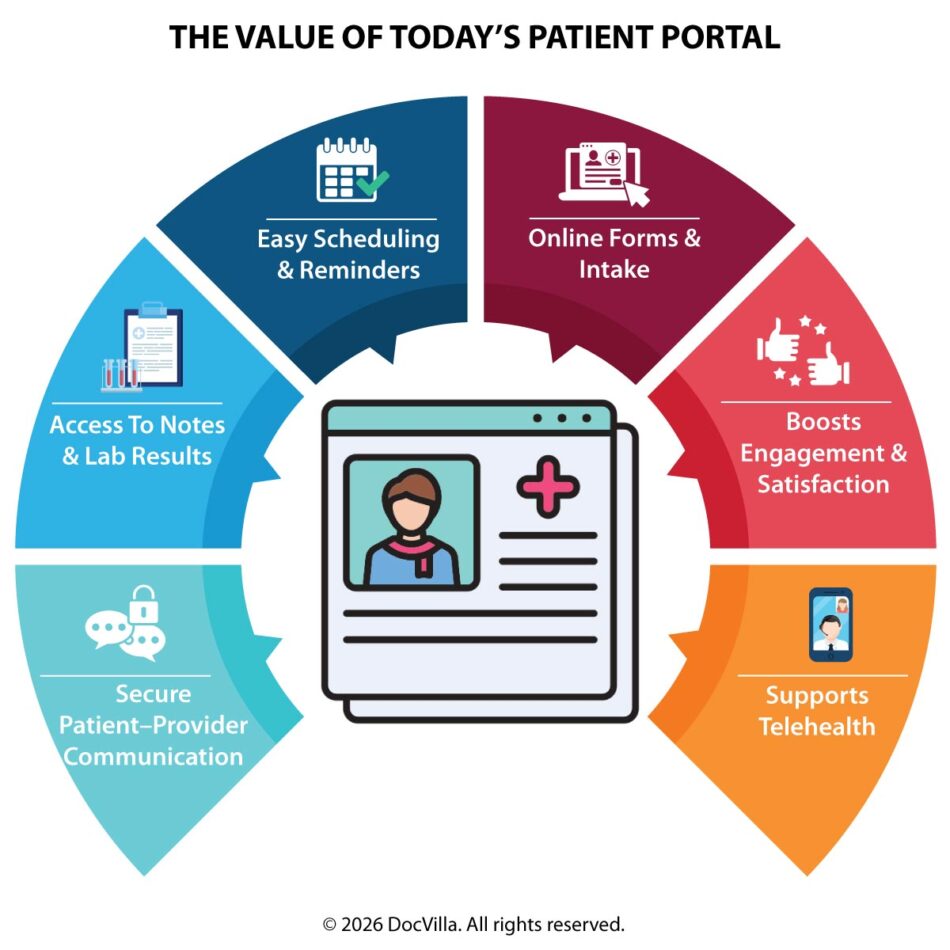
The Value of Today’s Patient Portal: Transforming Patient Engagement and Efficiency in Modern Medical Practices
Healthcare has undergone a profound digital transformation over the past decade. Medical practices that once relied on phone calls, paper forms, and manual communication are now increasingly adopting digital systems that streamline operations and improve patient experiences. One of the most important innovations driving this transformation is the patient portal. A patient portal is a secure online platform connected to an Electronic Health Record (EHR) system that allows patients to access their medical information, communicate with providers, schedule appointments, request prescription refills, and manage various aspects of their healthcare digitally. In today’s healthcare environment, patient portals are no longer optional add-ons but essential components of modern EHR, EMR, and practice management software. They play a central role in improving patient engagement, enhancing care coordination, increasing operational efficiency, and supporting better health outcomes. As healthcare continues to move toward patient-centered care models, the value of patient portals continues to grow. Medical practices that adopt advanced patient portal technology not only meet patient expectations for convenient digital access but also improve clinical workflows and administrative efficiency. … Read More
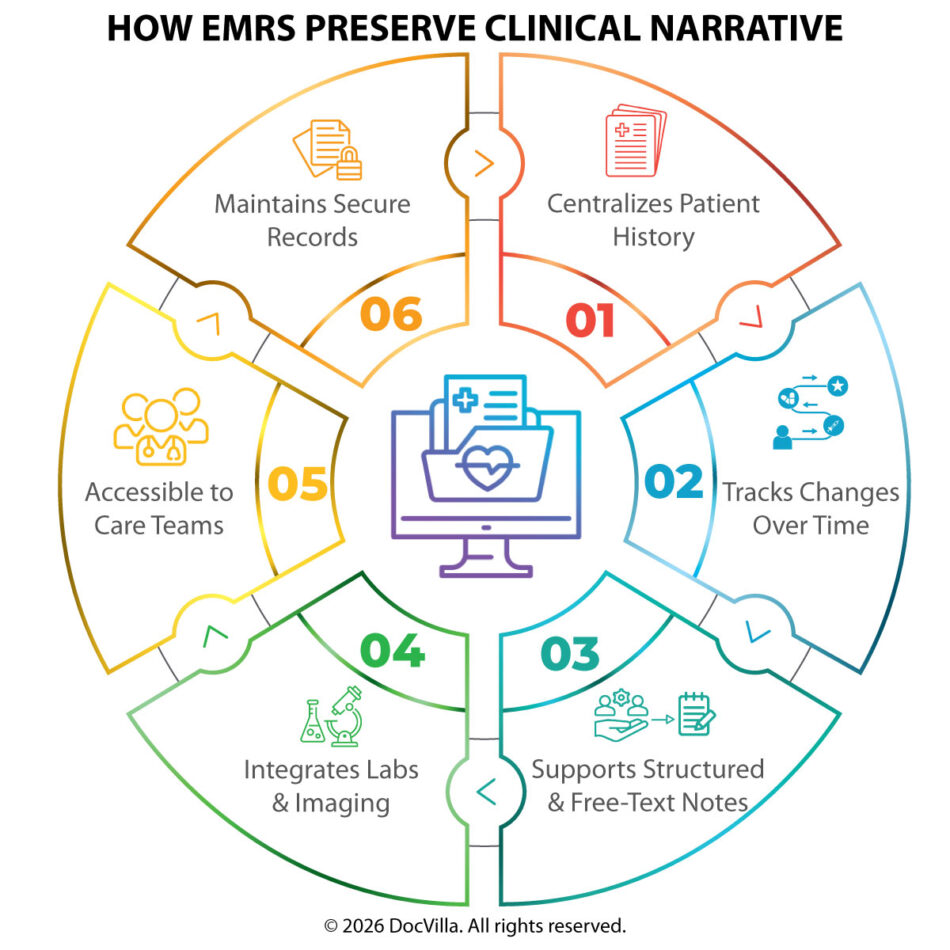
How EMRs Preserve the Clinical Narrative: Maintaining the Story of Patient Care in the Digital Age
Medicine has always been built upon stories. Every patient encounter begins with a narrative: symptoms that developed over time, lifestyle factors that influence health, family histories that shape risk, and clinical observations that guide diagnosis and treatment. Physicians historically documented these stories in handwritten charts, capturing the clinical narrative that explains how a patient’s health evolves. With the widespread adoption of Electronic Medical Records (EMRs) and Electronic Health Records (EHRs), the healthcare industry transitioned from paper-based documentation to digital systems. While this shift has dramatically improved data accessibility, care coordination, and operational efficiency, it has also raised an important question: can digital systems preserve the depth and meaning of the clinical narrative that has always been central to medical practice? The answer is yes—when EMRs are designed thoughtfully and used effectively, they not only preserve the clinical narrative but also enhance it by making patient stories more accessible, searchable, and shareable across healthcare teams. Modern EMR and EHR platforms allow providers to capture structured clinical data while maintaining narrative context, enabling better clinical decision-making, improved care continuity, and more effective communication among providers and patients. For medical practices evaluating EHR, EMR, and practice management software, understanding how digital systems preserve and enhance the clinical narrative is essential for selecting technology that supports high-quality patient care. … Read More
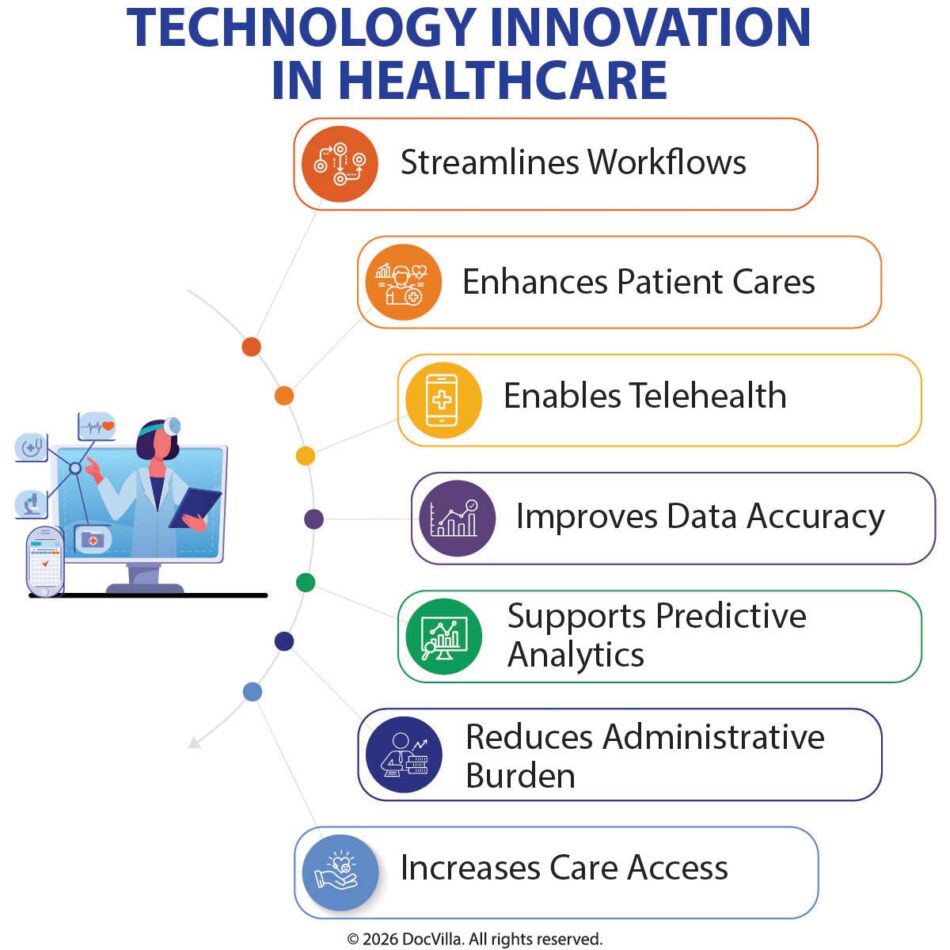
Technology Innovation Has the Potential to Improve the Future of Healthcare: How Digital Transformation Is Reshaping Medical Practices in 2026 and Beyond
Healthcare has always evolved alongside technological advancement. From the invention of the stethoscope to modern imaging systems, technology has continuously improved the ability of clinicians to diagnose, treat, and manage patient care. However, the pace of technological innovation in healthcare has accelerated dramatically over the past decade. Digital transformation is now reshaping how medical practices operate, how providers interact with patients, how healthcare data is analyzed, and how clinical decisions are supported. In 2026, healthcare technology innovation is not simply about introducing new tools; it is about transforming the entire healthcare delivery ecosystem. Electronic Health Records (EHR), practice management software, telehealth platforms, artificial intelligence, data analytics, remote patient monitoring, automation, and patient engagement technologies are all contributing to a more connected, efficient, and patient-centered healthcare system. For independent medical practices and healthcare organizations, understanding how technology innovation is shaping the future of healthcare is essential for staying competitive and delivering high-quality care. The practices that adopt modern digital solutions today will be better positioned to improve clinical outcomes, streamline operations, enhance patient engagement, and maintain financial sustainability in the evolving healthcare environment. … Read More
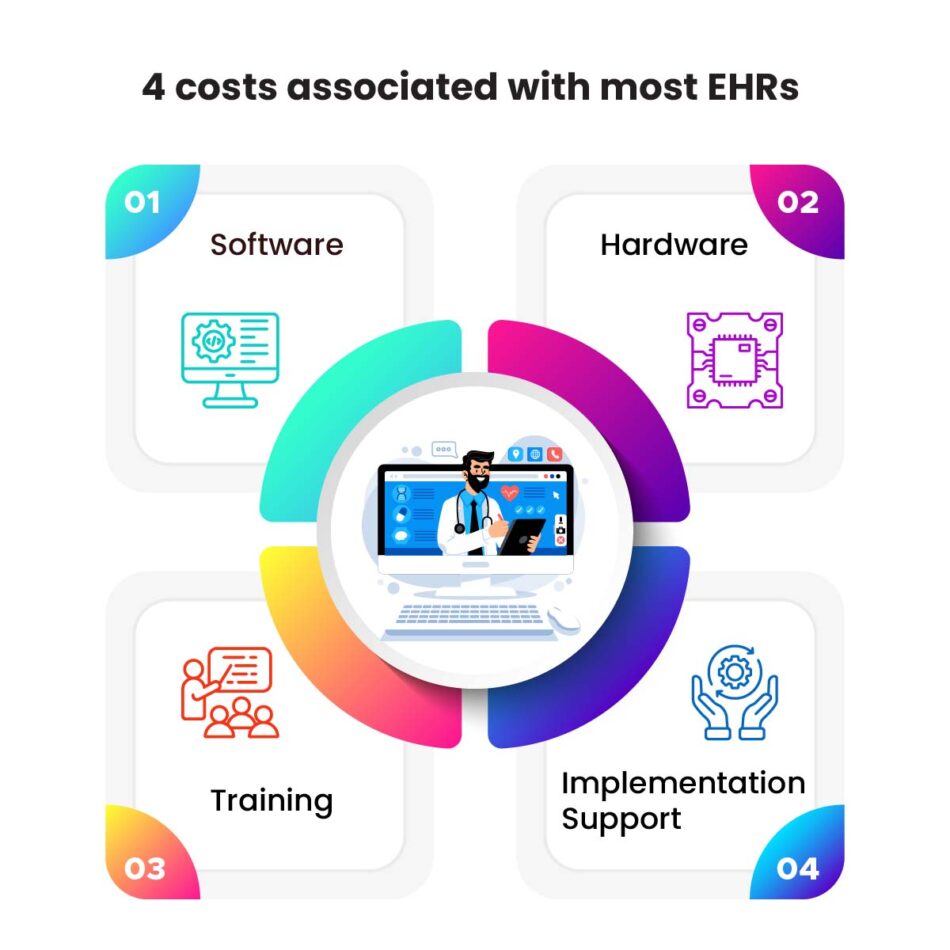
4 Costs Associated with Most EHRs and EMRs: What Medical Practices Must Understand Before Signing a Contract
Electronic Health Records (EHRs) and Electronic Medical Records (EMRs) are no longer optional in modern healthcare. In 2026, every medical practice—from solo primary care clinics to multispecialty groups—relies on digital systems for documentation, scheduling, billing, prescribing, reporting, and patient engagement. Yet despite widespread adoption, many providers underestimate the true cost structure of EHR and EMR systems. Vendors often advertise competitive monthly subscription pricing, but the visible fee is only one part of the financial equation. The real cost of an EHR includes direct expenses, indirect productivity impact, technology infrastructure requirements, integration fees, compliance considerations, and long-term scalability implications. For medical practices evaluating EHR, EMR, and practice management software, understanding the four major cost categories associated with most systems is essential to making a financially sound decision. These costs are: subscription and licensing fees, implementation and training expenses, productivity and workflow impact, and integration plus hidden add-on costs. Each of these influences total cost of ownership (TCO) and long-term return on investment. This guide breaks down each cost in detail and explains how integrated cloud-based platforms can reduce overall expense while improving operational performance. … Read More